 mehul.pattel
Aaradhya Bachchan Case: Delhi High Court Sets New Precedent for Personality Rights
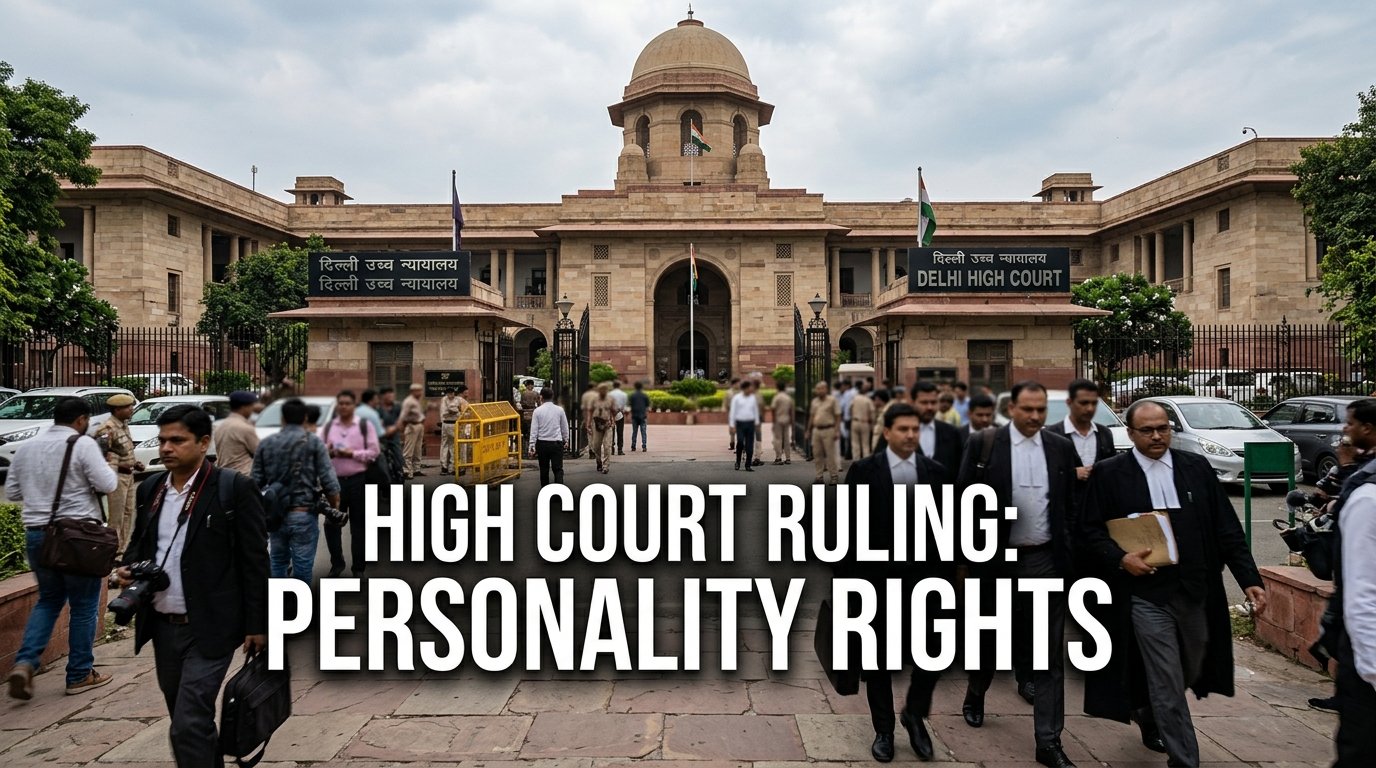
In a landmark judgment that is sending shockwaves through the Indian media and entertainment landscape, the Delhi High Court has passed a sweeping order regarding the “Personality Rights” of Aaradhya Bachchan, the granddaughter of Bollywood legend Amitabh Bachchan. This ruling is not just a victory for the Bachchan family; it represents a fundamental shift in how the law protects the digital identity, reputation, and privacy of minors and celebrities in the age of viral internet content.
Here is a detailed breakdown of what the Delhi High Court ruled, why it matters, and how it will permanently change the way YouTube channels, tabloid websites, and meme creators operate in India.
The Core of the Lawsuit
The lawsuit was filed by Abhishek Bachchan and Aishwarya Rai Bachchan on behalf of their minor daughter, Aaradhya. The petition specifically targeted several YouTube channels and lesser-known news portals that had been publishing entirely fabricated, malicious, and highly defamatory videos regarding the child’s health and physical well-being.
The Bachchan family argued that these entities were weaponizing clickbait and fake news solely to generate ad revenue, at the direct expense of a minor’s mental health and public reputation. They invoked the legal concept of “Personality Rights”—the right of a person to control the commercial exploitation of their name, image, likeness, or any other unequivocal aspects of their identity.
The High Court’s Landmark Ruling
The Delhi High Court took a stringent view of the defendants’ actions. The presiding judge noted that while the freedom of the press and the right to information are constitutional guarantees, they do not grant anyone the absolute license to peddle malicious fiction, especially concerning a child.
Key Directives from the Court:
- Immediate Takedown: The court ordered Google (YouTube) and the Ministry of Electronics and Information Technology (MeitY) to immediately block and remove the specific URLs containing the defamatory content.
- John Doe Injunction: Perhaps the most powerful aspect of the ruling was the granting of a “John Doe” (Ashok Kumar) order. This essentially creates a blanket ban, meaning the Bachchan family does not have to file a new lawsuit every time a new channel uploads similar fake news. The order automatically applies to any unknown entity engaging in the same defamatory behavior.
- Zero Tolerance for Minors: The court strongly emphasized that children of celebrities are entitled to the same right to privacy and dignity as any other citizen. Exploiting a minor’s identity for internet clout or financial gain is now explicitly legally perilous.
The Ripple Effect Across the Creator Economy
This ruling is a massive wake-up call for the “creator economy,” specifically the subset of channels that thrive on sensationalism and unverified gossip.
Until now, many creators operated in a legal gray area, assuming that public figures were fair game for any type of content. The Aaradhya Bachchan ruling draws a hard, enforceable line in the sand. Legal experts predict a significant chilling effect on gossip channels. Platforms like YouTube and Instagram will likely update their automated content moderation policies to more aggressively flag and remove content that violates Indian personality rights, even before a court order is issued, to avoid secondary liability.
Conclusion
The Delhi High Court’s decisive action in the Aaradhya Bachchan case marks a crucial evolution in Indian jurisprudence regarding digital rights. It clearly establishes that the internet is not a lawless frontier. As AI tools make it easier to generate deepfakes and mass-produce fake news, the strengthening of “Personality Rights” provides a much-needed legal shield, ensuring that an individual’s digital identity remains their own.
Frequently Asked Questions (FAQs)
Q1: What exactly are ‘Personality Rights’?
A: Personality rights are the rights of an individual to control the commercial use of their name, image, likeness, or other identifying aspects of their persona. It protects individuals from having their identity exploited without their permission.
Q2: Does this mean nobody can report on celebrities anymore?
A: No. Legitimate, factual news reporting is still protected under the freedom of the press. This ruling specifically targets the creation and dissemination of entirely fabricated, malicious, and defamatory content passed off as “news.”
Q3: What is a ‘John Doe’ or ‘Ashok Kumar’ order?
A: It is an injunction issued by a court against unknown or unnamed defendants. If someone new creates a video violating the order tomorrow, the police and platforms can take it down immediately without the family needing to go back to court for a fresh order.
Q4: Does this ruling only apply to Bollywood stars?
A: While this specific case involved a celebrity family, the legal precedent set strengthens the privacy and personality rights of all Indian citizens, particularly minors, against digital defamation.