 mehul.pattel
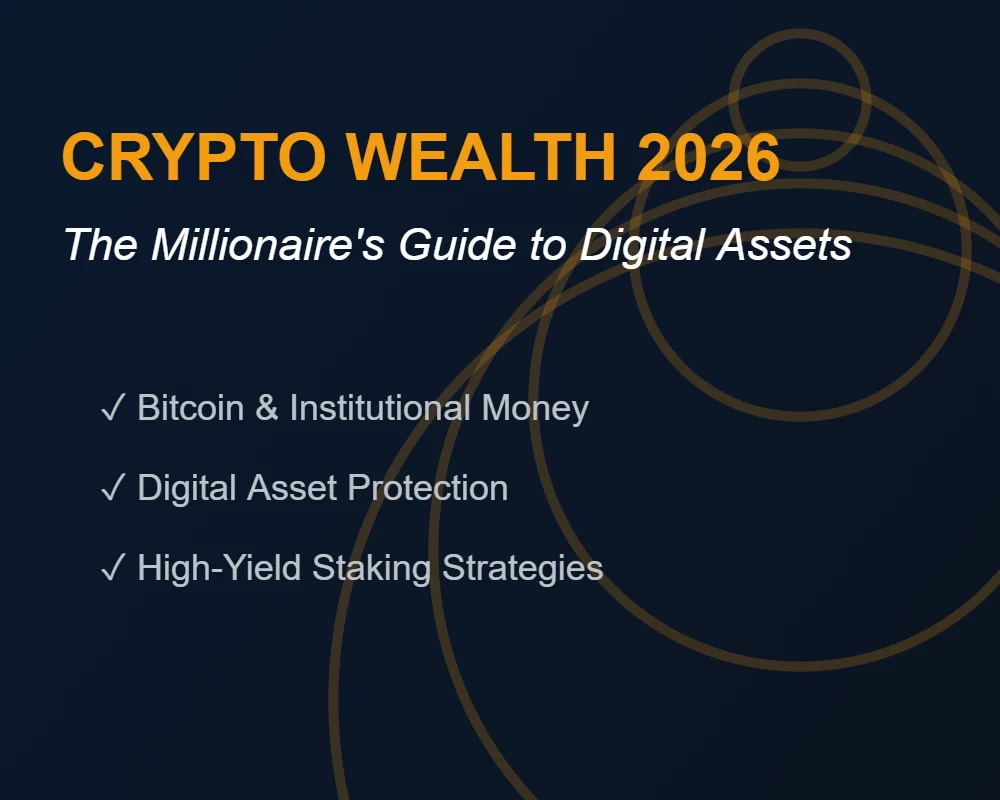
As we embrace 2026, digital assets have officially transitioned from speculative gambles to institutional mainstays. In this comprehensive guide to Cryptocurrency & Wealth Management, we will explore how high-net-worth individuals are safely integrating Bitcoin, Ethereum, and DeFi protocols into their long-term financial portfolios.
📋 Table of Contents
🏦 1. The Era of Institutional Adoption
Cryptocurrency is no longer a fringe market. With the approval of numerous ETFs and the entry of major Wall Street firms, Bitcoin and other top-tier digital assets are now staple components in modern wealth management. Advisors are actively recommending crypto exposure to hedge against fiat inflation.
🌟 Pro Tip: Always look for regulated custody solutions or cold-storage hardware wallets when managing significant cryptocurrency holdings. Never leave your main portfolio on an exchange.
📊 2. Optimal Portfolio Allocation
How much crypto is too much? Most certified financial planners in 2026 recommend a conservative allocation of 2% to 5% of a clients total net worth into digital assets. This provides a high-growth asymmetric upside while protecting the overall portfolio from severe market volatility.
🏢 Highlight: Yield farming and staking can generate passive income, but they come with smart contract risks. Wealth managers prefer safer, blue-chip staking options via institutional platforms.
🔒 3. High-Security Asset Protection
As digital wealth grows, so do the threats. Cyber liability insurance and digital asset protection plans are evolving. Setting up multisig wallets (requiring multiple approvals for a transaction) and integrating them into living trusts ensures that your digital assets are both secure from hackers and accessible to your heirs.
📉 4. Tax Strategies and Wealth Preservation
Crypto taxation has become strictly regulated. Tax-loss harvesting, using crypto-backed loans instead of selling to avoid capital gains, and setting up Charitable Remainder Trusts (CRTs) are leading strategies for high-net-worth investors looking to optimize their tax burdens.
Ready to secure your digital wealth? 🚀
The future of finance is digital. Consult with a specialized wealth manager today to ensure your cryptocurrency portfolio is optimized, protected, and ready for long-term growth.