
 mehul.pattel
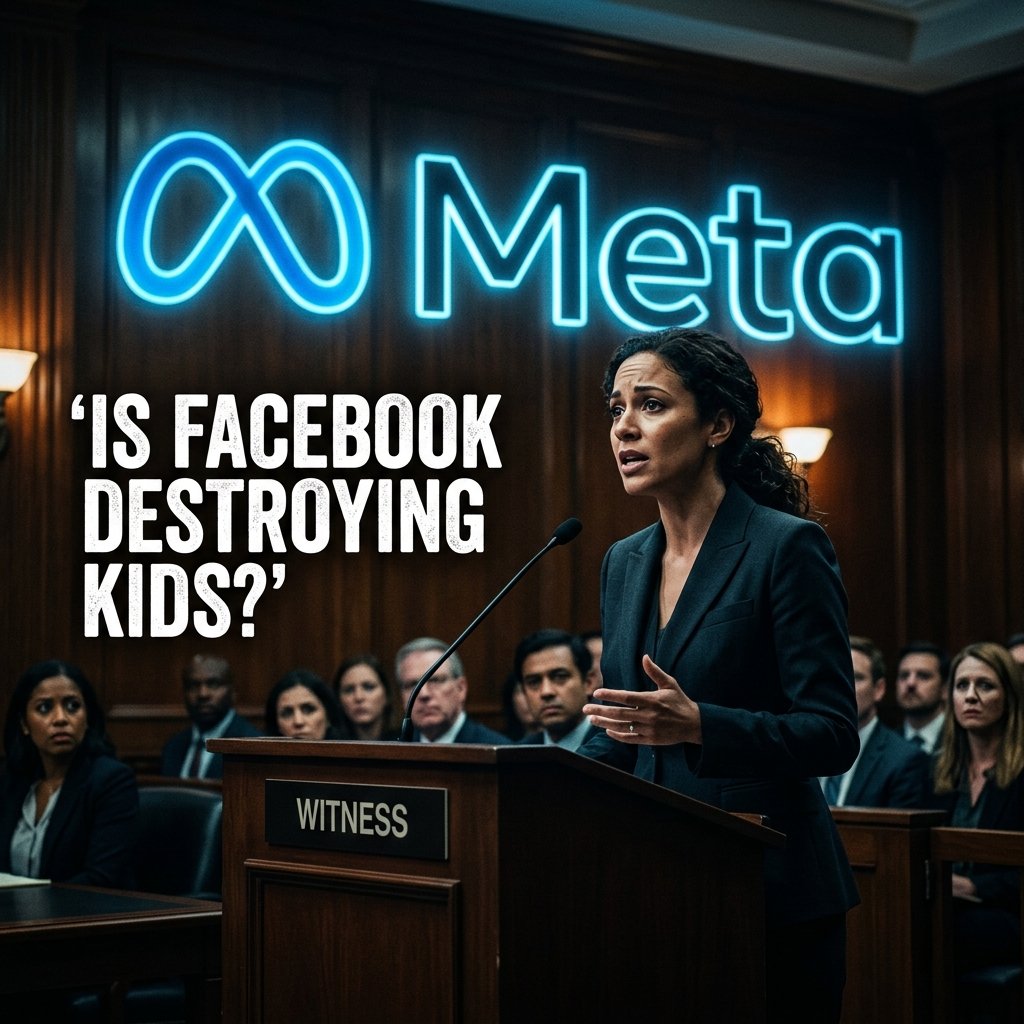
Meta Faces Landmark Trial Over Allegations of Intentionally Addicting Children
The courtroom doors have swung open on what could be the defining legal battle of the social media era. 🏛️ On Tuesday, August 18, 2026, a landmark federal trial began in the U.S. District Court for the Northern District of California, pitting Meta Platforms—the parent company of Facebook and Instagram—against a bipartisan coalition of 29 U.S. states.
The core accusation? That Meta intentionally designed its platforms to be highly addictive and psychologically manipulative, specifically targeting the vulnerable minds of children and teenagers. 📱⚠️
The Core Allegations: Profit Over Protection?
The states’ case rests on several explosive claims. They argue that Meta’s platforms are not just passively engaging but are actively engineered to keep young users hooked.
- Psychological Manipulation: Features like infinite scroll, autoplaying videos, and the gamification of social interaction through “like” counts are alleged to be deliberate tactics to maximize screen time. 🧠
- Algorithmic Feeding: The personalized algorithms that curate feeds are accused of pushing extreme or harmful content to keep teens engaged, regardless of the toll on their mental health. 📉
- Concealment of Research: Perhaps most damningly, the lawsuit claims that Meta knowingly concealed its own internal research detailing these harms from the public and regulators. 🗄️
- COPPA Violations: The states also allege that Meta violated the federal Children’s Online Privacy Protection Act (COPPA) by unlawfully collecting data from children under 13 without obtaining verifiable parental consent. 🛑
Pro-Tip: Parents should regularly review the privacy settings on their children’s devices. While platforms claim to have safeguards, staying actively involved in your child’s digital life is the best defense against unwanted data collection. 🛡️
Meta’s Defense: Disputed Science and Safety Measures
Unsurprisingly, Meta has vehemently denied all the allegations brought against it. The tech giant maintains that its products are designed to be safe and enriching for young users. 🛡️
Meta’s legal team argues that the science linking social media use to negative outcomes in adolescent mental health is, at best, inconclusive and disputed. 🧪 They point to the numerous safeguards the company has implemented in recent years, such as stronger privacy defaults for teens, time-management tools, and restrictions on targeted advertising for minors. ⏱️
Furthermore, the company contends that the internal memos and research cited by the plaintiffs were taken out of context, framing them as part of the company’s earnest efforts to understand and mitigate potential risks, rather than evidence of a cover-up. 📝
High Stakes: Billions on the Line and a Mandate for Change
The implications of this trial extend far beyond a hefty fine, although financial penalties could easily reach into the billions of dollars. 💰
If the states prevail, the outcome could result in unprecedented court-ordered mandates requiring Meta to fundamentally redesign how its platforms operate for users under the age of 18. This could mean the end of infinite scroll, the removal of engagement-driven algorithms for minors, and far stricter age verification processes. 🔄
Legal experts are already comparing the potential impact of this case to the landmark tobacco litigation of the 1990s, which fundamentally reshaped the cigarette industry and its marketing practices. 🚬 The question now is whether Big Tech will face a similar reckoning.
Pro-Tip: Educators and mental health professionals are increasingly advocating for digital literacy to be taught in schools, emphasizing critical thinking about algorithms and online behavior. 📚
The Witnesses: Executives and Whistleblowers
The witness list for the trial reads like a who’s who of Silicon Valley. Key Meta executives, including CEO Mark Zuckerberg and Instagram CEO Adam Mosseri, are expected to take the stand to defend their company’s practices. 🧑💼
However, the most compelling testimony may come from the inside. Following the opening statements, whistleblower Arturo Béjar was called as the very first witness for the government. 🗣️ Béjar, a former Meta engineer, has previously spoken out about the company’s awareness of the harms its platforms cause to teenagers, setting the stage for what promises to be a grueling six to eight weeks of testimony. ⏳
A Turning Point for Social Media?
As the trial unfolds over the next two months, the world will be watching closely. 🌎 This isn’t just about Meta; it’s a referendum on the entire business model of the modern internet.
Can platforms designed to maximize engagement coexist with the well-being of their youngest users? 🤷♂️ Or does the fundamental architecture of these social networks need to be torn down and rebuilt with safety as the primary feature, rather than an afterthought? 🧱
The outcome of this trial will likely shape the digital landscape for generations to come, determining whether the internet remains a wild west of engagement metrics or becomes a more regulated, safer space for the youth of tomorrow. 🌟
The trial continues in the U.S. District Court for the Northern District of California, with both sides bracing for a long and contentious legal battle. ⚖️ Stay tuned for more updates as this landmark case progresses. 📰