
 mehul.pattel
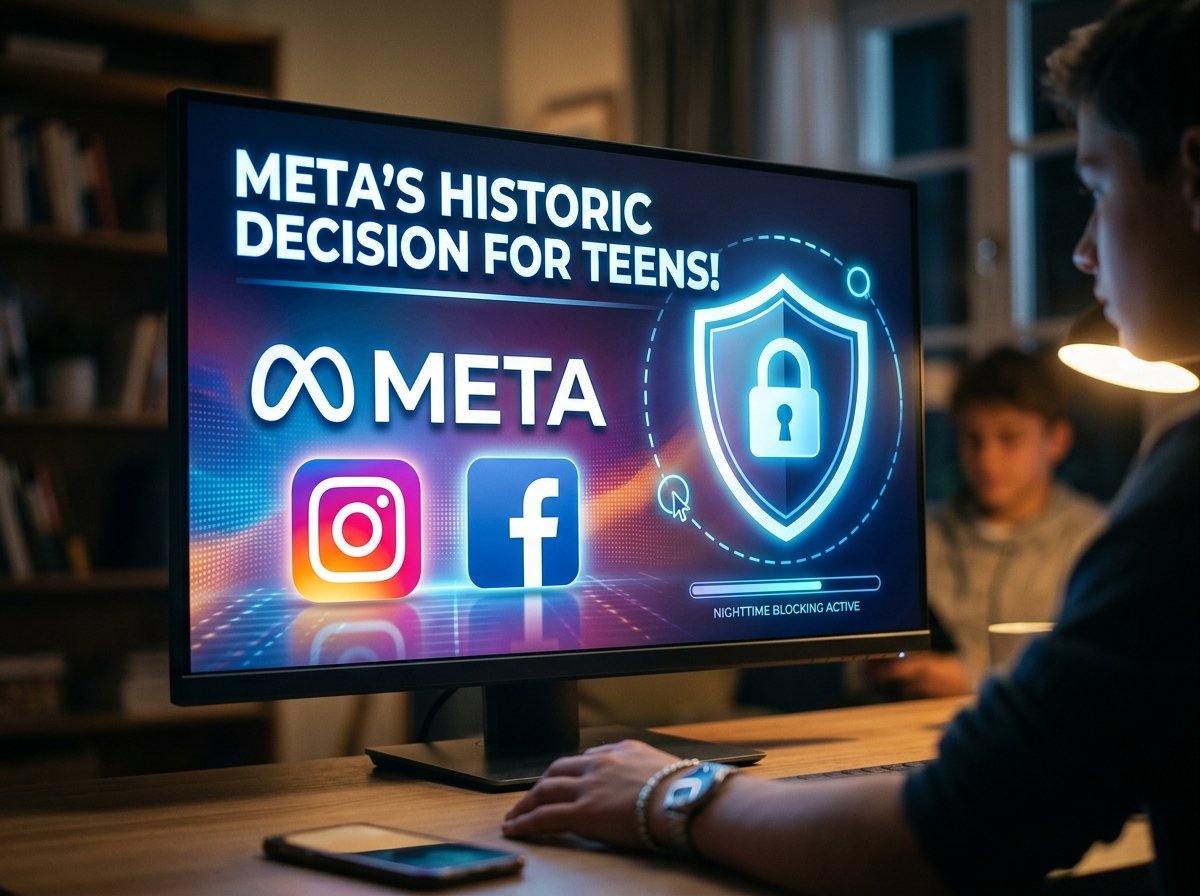
Meta’s $18 Billion Historic Settlement: A New Era for Teen Safety on Facebook and Instagram
The digital landscape is undergoing a monumental shift. In a groundbreaking move that will redefine social media usage for minors, Meta has agreed to an unprecedented $18 Billion settlement concerning child and teen safety on its platforms, primarily Facebook and Instagram.
This historic decision is not just about financial penalties; it brings sweeping operational changes aimed at protecting the mental health and well-being of young users. With stringent new rules, including a strict 2-hour daily usage limit and mandatory nighttime blocking, parents finally have the tools they’ve been demanding for years.
Here is a deep dive into what this settlement means, how the new features will work, and why this is considered a watershed moment in tech history.
The Core of the $18 Billion Settlement 💰
The lawsuit, spearheaded by a coalition of attorneys general, child safety advocates, and parents, accused Meta of employing addictive algorithms that intentionally kept teens hooked on their screens. The plaintiffs argued that these practices led to a severe decline in youth mental health, citing increased rates of anxiety, depression, and body image issues.
“This settlement is a victory for every parent who has felt powerless against the infinite scroll. It forces tech giants to prioritize our children’s safety over engagement metrics.” — Lead Child Advocate Representative
To resolve these allegations, Meta has agreed to the staggering $18 billion payout, which will be directed toward mental health research, youth counseling programs, and statewide educational initiatives on digital literacy. But more importantly, the settlement mandates fundamental changes to how Facebook and Instagram operate for users under 18.
Game-Changing Features for Teen Safety 🛡️
Meta is rolling out a suite of powerful new safety features designed to curb excessive screen time and protect teens from harmful content. These changes are mandatory for all accounts registered to users under 18.
1. The Strict 2-Hour Daily Limit ⏳
Perhaps the most significant change is the implementation of a hard 2-hour daily limit across both Facebook and Instagram.
* Once a teen reaches the 120-minute mark, the app will lock them out.
* They will no longer be able to scroll, post, or message until the next day.
* Parents can opt to reduce this time limit via the new Family Center, but they cannot increase it beyond 2 hours without submitting an age-verification appeal, which requires official identification.
2. Mandatory Nighttime Blocking 🌙
Sleep deprivation among teens linked to late-night scrolling has been a major concern. To combat this:
* Meta is introducing Nighttime Blocking, automatically disabling access to the apps between 10:00 PM and 6:00 AM.
* During these hours, notifications will be completely silenced, and opening the app will display a “Time to Rest” screen.
* This feature cannot be bypassed by the teen, ensuring they get uninterrupted sleep.
3. Algorithmic Detox for Minors 🧠
The addictive “infinite scroll” and targeted content algorithms are being drastically altered for younger audiences.
* No More Autoplay: Videos and Reels will no longer autoplay for teens.
* Chronological Feeds: Teens will default to a chronological feed rather than an algorithmically curated one, reducing the rabbit-hole effect.
* Content Restrictions: Stricter filters will automatically block content related to self-harm, extreme dieting, and cosmetic surgery from appearing in teen feeds.
How Parents Can Take Control 👨👩👧👦
Meta is overhauling its “Family Center” to give parents unprecedented oversight of their children’s digital lives.
- Activity Dashboards: Parents will receive weekly reports detailing exactly how much time their teen spent on the apps, who they interacted with most, and what types of content they consumed.
- Direct Messaging Restrictions: By default, teens will only be able to receive direct messages from people they follow or are connected to. Parents can review and approve new connection requests.
- Stealth Mode: Teens cannot create secret or secondary accounts on the same device without triggering a notification to the parent’s linked account.
Industry Impact: Will Others Follow Suit? 🌐
Meta’s decision sets a massive precedent. With an $18 billion penalty and structural changes to their core product, the pressure is now on other tech giants like TikTok, Snapchat, and YouTube to implement similar safeguards.
Legal experts suggest that this settlement could serve as the blueprint for future federal legislation regarding child safety online. If Meta—the largest social media company in the world—can fundamentally alter its algorithms and limit screen time for the greater good, the argument that “it’s technically impossible” no longer holds water.
The Road Ahead
While the rollout of these features will take place over the next six months, the immediate impact is a collective sigh of relief from parents worldwide. Social media is an integral part of modern life, but this settlement ensures that for the most vulnerable users, it will no longer be a lawless, infinite space.
Meta’s historic decision marks the beginning of a new era—one where digital well-being is not just a buzzword, but a foundational requirement for the platforms we use every day. As the digital landscape continues to evolve, this $18 billion settlement will undoubtedly be remembered as the moment the tide turned in favor of teen safety.