 mehul.pattel
Food Safety Crackdown: Why Quick-Commerce Giants Are Facing License Suspensions
The promise of 10-minute grocery delivery has revolutionized urban living in India. Platforms like Blinkit, Zepto, and Swiggy Instamart have become indispensable for millions of households, delivering everything from fresh produce to electronics in the blink of an eye. However, this hyper-growth model is currently facing its biggest regulatory challenge yet. A massive, coordinated food safety drive across major metropolitan cities has led to the suspension of several operating licenses for these quick-commerce giants.
What triggered this sudden crackdown, and what does it mean for the future of your 10-minute grocery deliveries? Here is an in-depth look at the escalating tension between rapid delivery startups and national food safety regulators.
The Trigger: Dark Store Inspections
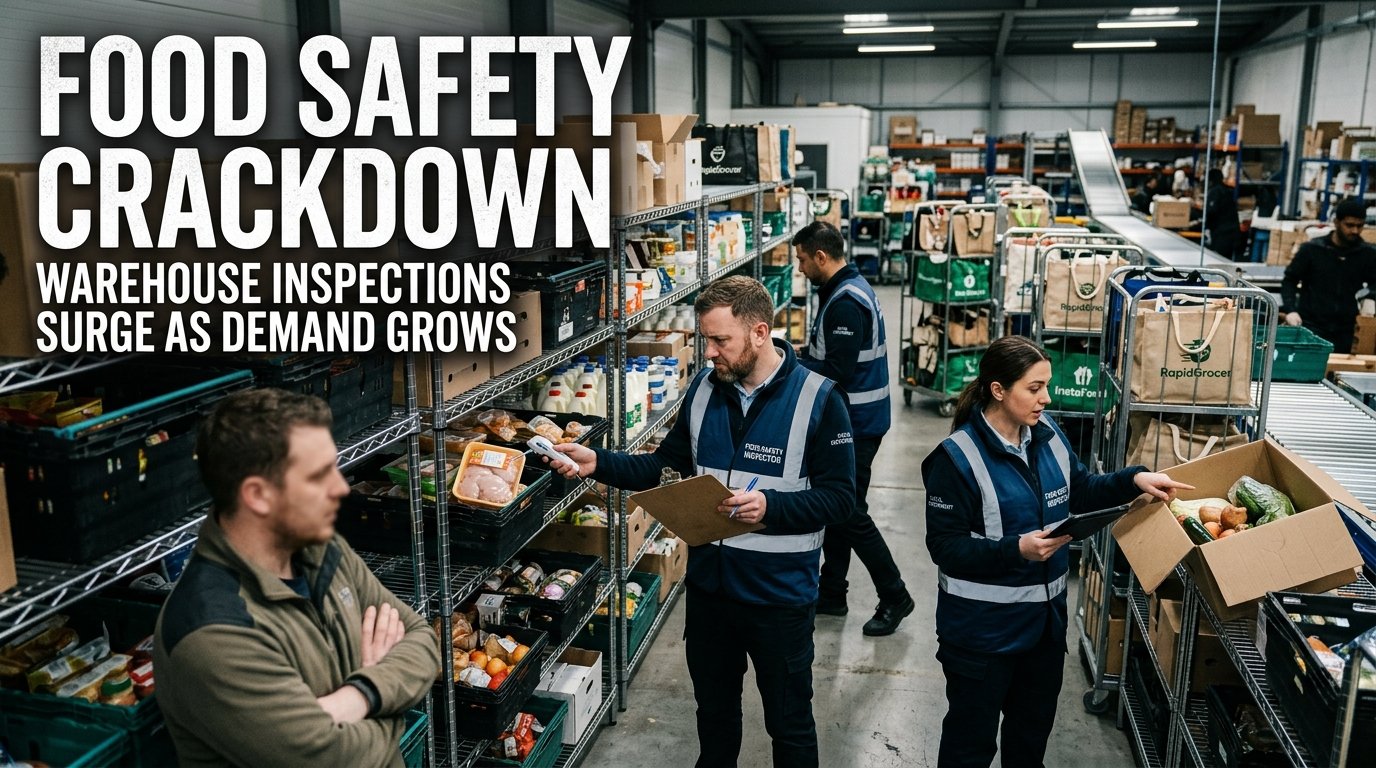
The recent regulatory action stems from unannounced inspections of “dark stores”—the local mini-warehouses that power the 10-minute delivery model. The Food Safety and Standards Authority of India (FSSAI), along with state-level health departments, initiated these surprise checks following a surge in consumer complaints regarding expired products, pest infestations, and improper storage of perishables.
Key Violations Found:
- Temperature Control Failures: Inspectors found that many dark stores lacked adequate cold chain infrastructure. Dairy products, raw meats, and frozen foods were often found stored at unsafe temperatures, drastically increasing the risk of bacterial contamination.
- Pest Infestations: In several high-density urban areas, poorly maintained warehouses were found to have severe rat and cockroach infestations, compromising the packaging of dry goods.
- Expired Inventory: To maintain high fulfillment rates, some stores were caught relabeling or continuing to dispatch expired FMCG (Fast-Moving Consumer Goods) products.
The Regulatory Hammer: License Suspensions
Unlike previous instances where minor fines were levied, regulators are taking a much harsher stance in 2026. Several dark stores belonging to top-tier quick-commerce companies have had their FSSAI operating licenses immediately suspended, forcing them to shut down operations in specific pin codes until they comply with stringent health and safety protocols.
“The speed of delivery cannot come at the cost of public health,” stated a senior FSSAI official. “These platforms operate as critical food vendors, and they must adhere to the exact same hygiene standards expected of a traditional supermarket or restaurant.”
The Industry Response
The quick-commerce sector, heavily backed by venture capital, is scrambling to respond to the crisis. The temporary shutdown of high-volume dark stores represents millions of dollars in lost daily revenue.
Companies like Zepto and Blinkit have released public statements assuring customers that they are cooperating fully with authorities. They have announced internal initiatives to overhaul their quality control systems, including the deployment of AI-driven temperature monitoring, mandatory daily pest control audits, and automated systems that hard-block the scanning of any expired barcode.
What This Means for Consumers
For the average consumer, this crackdown is a double-edged sword.
In the short term, you might experience service disruptions, “out of stock” messages, or slightly longer delivery times if the dark store servicing your area is temporarily closed for compliance upgrades.
In the long term, however, this regulatory intervention is highly beneficial. It forces the quick-commerce industry to mature. The days of cutting corners on infrastructure to achieve hyper-growth are ending. Moving forward, consumers can expect a much higher, standardized level of hygiene and product safety from their rapid grocery deliveries.
Conclusion
The 10-minute delivery model is not going anywhere; consumer demand is simply too high. However, the current food safety crackdown marks the end of the “wild west” phase for quick commerce. As the industry scales, it must prove that it can balance unprecedented speed with uncompromising safety standards.
Frequently Asked Questions (FAQs)
Q1: Is it safe to order milk and meat from quick-commerce apps right now?
A: Generally, yes. The suspended stores are currently non-operational, meaning if you can place an order, it is coming from a store that is currently allowed to operate. However, it is always best practice to check the expiry dates and packaging condition upon delivery.
Q2: Which apps have been affected the most?
A: The regulatory drive is industry-wide. Blinkit, Zepto, and Instamart have all seen a small percentage of their dark stores face scrutiny, particularly in high-density areas of Delhi-NCR, Mumbai, and Bengaluru.
Q3: What should I do if I receive expired food from a delivery app?
A: Do not consume it. Immediately take a clear photo of the expiry date and the batch number, report it through the app’s customer support for a refund, and consider filing a formal complaint on the FSSAI’s consumer grievance portal if the app does not respond adequately.
Q4: Will this increase the cost of delivery?
A: It is highly likely. Upgrading cold storage infrastructure and hiring dedicated quality control staff increases operational costs. Analysts predict that these costs will eventually be passed down to the consumer in the form of higher “handling” or delivery fees.